Category Archives: Literature

The Tree of Life Paradox: A Foundational Inquiry for Jewish Theological Research and Project Understanding

The Tree of Life Paradox: A Foundational Inquiry for Jewish Theological Research and Project Understanding

The Tree of Life is a paradox that no one has examined. We are a dedicated agent committed to thorough Bible research. Also focus on disseminating foundational truths through rigorous project work and robust website SEO. We must delve into the origins of creation to enhance learning and theological insight. Our sages have studied the Torah for millennia. Through this focused study, they have successfully uncovered profound spiritual truths. These are truths that the broader world has often overlooked.

This essay focuses on the critical narrative concerning the Tree of Life (ToL) in the Garden of Eden. It addresses a central paradox that demands careful consideration. Why did Hashem create a Tree that was initially available? Why did it ultimately become off-limits to Adam?

The Garden of Eden is depicted as the ultimate ecosystem. It features lush rivers and a living breeze. At its center is the Tree of Life itself. It is described with its vibrant leaves, sturdy branches, thick trunk, and fruits that seemingly glow with promise. Our critical research shows that in the beginning, this Tree was the undeniable heart of the Garden.

The relationship between Adam and the Tree of Life was established through a clear, unequivocal Divine command. Hasham instructed Adam: “Of every tree of the garden, you may freely eat”. Crucially, the sources confirm that this universal permission extended specifically to the Tree of Life. The purpose of this initial, unrestricted access was monumental. Eating its fruit was meant to grant immortality. It allowed the seeker to “partake and live forever”.

This fundamental understanding establishes a core theological principle. The potential for eternal life was not contingent on a subsequent event or intervention. It was the original, established, and freely offered gift of creation. The Tree of Life was thus created not as a test of obedience. Instead, it was the very mechanism of everlasting existence.

This knowledge anchors our response to the essay’s central question: Why create a permissible tree that later became forbidden? The creation of the Tree of Life proves that Hashem initially intended for humanity to have perpetual life. His project design included immortal life. The Tree was established as the primary source of that enduring existence.

The prohibition against eating from the Tree of Life was enforced after Adam’s transgression. This transgression involved the Tree of the Knowledge of Good and Evil. This event does not retroactively negate the reason for its creation. Instead, the boundary shows the immediate consequence of the initial error. It demonstrates the profound consequence of the removal of the ultimate gift of immortality, which was unconditional. The Tree was not created to be off-limits; it became off-limits because the state of perfection needed to enjoy its benefits had been forfeited.

This sequence provides a robust platform for theological inquiry. The presence and original permission granted to the Tree of Life underscore that the gift of immortality was foundational and inherent to humanity’s initial relationship with the Creator. This research confirms that the pathway to eternal life was present and available from the start. This is a key principle noted in associated research available via resources like Esnoga Beit HaShoavah.

——————————————————————————–

Footnotes

Excerpts from “TheTree.mp4ofLife.mp4”: Sages have delved into Torah, revealing truths. The Garden of Eden features the tree of life at the center, described with vibrant leaves, sturdy branches, thick trunk, and glowing fruits. Hasham commanded Adam, “Of every tree of the garden, you may freely eat,” which included the Tree of Life granting immortality, enabling one to “partake and live forever.” This information is relevant to the study of the Tree of Life.

END OF DAYS- BOOK OF DANIEL -CHATAM SOFER DATE –

IN BIBLE CODE -PROFESSOR HARALICK RABBI GLAZERSON

Psalm 43

1Avenge me, O God, and plead my cause against an unkind nation, from a man of deceit and injustice You shall rescue me. אשָׁפְטֵ֚נִי אֱלֹהִ֨ים | וְרִֽ֘יבָ֚ה רִיבִ֗י מִגּ֣וֹי לֹ֣א חָסִ֑יד מֵ֚אִ֥ישׁ מִרְמָ֖ה וְעַוְלָ֣ה תְפַלְּטֵֽנִי:
2For You are the God of my strength, why have You abandoned me? Why should I walk in gloom under the oppression of the enemy. בכִּֽי־אַתָּ֨ה | אֱלֹהֵ֣י מָֽעוּזִּי֘ לָמָ֪ה זְנַ֫חְתָּ֥נִי לָֽמָּה־קֹדֵ֥ר אֶתְהַלֵּ֗ךְ בְּלַ֣חַץ אוֹיֵֽב:
3Send Your light and Your truth, that they may lead me; they shall bring me to Your Holy Mount and to Your dwellings. גשְׁלַח־אֽוֹרְךָ֣ וַֽ֖אֲמִתְּךָ הֵ֣מָּה יַנְח֑וּנִי יְבִיא֥וּנִי אֶל־הַר־קָדְשְׁךָ֗ וְאֶל־מִשְׁכְּנוֹתֶֽיךָ:

“Did the Exodus Never Happen?

I await the New Year of 5785 and pray for my nation and country. The USA and Israel both stand at the precipice of destruction from power within their ranks. Israel and the USA are fighting for their spiritual lives.

I know that whatever happens to our homelands, Hashem is the King who runs this world. I prepare today and every day to make Hakodesh Barchu my King and to wait joyfully on His promises to us, the Jewish people.

Hashem is getting ready to introduce Himself to a world that thinks there is no truth and no G-D in the world. They can run the world in a way that breaks every Torah commandment and covenant that Hashem has made with mankind and with the Jewish people and the Land of Israel. Our redemption is near, and the war of Gog and Magog is at hand. In our midst today.

Unbelievable Bible Code of Professor Harakickk on GOG MAGOG and the End of Days Rabbi Glazerson

Hidden History of Zionism

Hidden History of Zionism
Timing Is Everything.

Archeologists claim the Exodus never happened.

The world is now facing many challenges and hard decisions. The world of truth is no longer a place where truth belongs. Every nation is fighting for its freedom. The world is seeing our slavey to the unseen masters.

Will the Torah again be proven to be the only truth that will stand?

Things that you do not know. Did Jerico happen?

What do you do when Experts can not agree?

Efraim Palvanov Archaeological Proof for the Torah and Exodus

Archaeological Proof for the Torah and Exodus

Parashat Va’yera וַיֵּרָ֤א

Genesis 18 – 22

א וַיֵּרָ֤א אֵלָיו֙ יְהוָ֔ה בְּאֵלֹנֵ֖י מַמְרֵ֑א וְה֛וּא יֹשֵׁ֥ב פֶּֽתַח־הָאֹ֖הֶל כְּחֹ֥ם הַיּֽוֹם׃
ב וַיִּשָּׂ֤א עֵינָיו֙ וַיַּ֔רְא וְהִנֵּה֙ שְׁלֹשָׁ֣ה אֲנָשִׁ֔ים נִצָּבִ֖ים עָלָ֑יו וַיַּ֗רְא וַיָּ֤רָץ לִקְרָאתָם֙ מִפֶּ֣תַח הָאֹ֔הֶל וַיִּשְׁתַּ֖חוּ אָֽרְצָה׃ 
A coversation with my Rabbi.
For the last several weeks I have had a wonderful conversation with my Rabbi about the beginning of Bereshit and the message that Hashem has given us through the Torah. One of the central questions that have to be answered in the story of Adam and Hava is why. Why? What is the purpose of this story and why has the majority of religions perceived this story as one of sin and punishment?
What if there another story, that is not so popular. One that belongs to the original holders of the Torah. What if Adam and Hava followed the path that has lead every one of their children to have a place in the world of Tikkun?
Did Adam and Hava really sin? Or, did they simply obey, and fixed the world that was outside the Garden? A world that was the lowest part. Judaism believes that sometimes one has to sin to do something greater. Not, the means justify the end, but something, that has to be done, to bring about the will of Hashem, that is greater than the moment.
You may ask, how did they fix the world? Look at this world and all its problems. This is not a world I would want for anyone, you might say. Yes, this world has a million and one problems or should I say six billion problems. And this is the beauty of it all. We all have a garden to make and a world to keep.
What if you were and Doctor and no one ever got sick or became ill. Being a doctor was your only job forever. What would you do in a world that? A perfect world.
I’m not claiming to know the mind of Hashem. Or, why things are so terrible in this world. I can only see that there are some very beautiful people in this world and they make this world worthwhile.
You see, now, I have an obligation to humanity and also, to Hashem, every day. I have to emulate Hashem in this world. To care for the stranger and the widow and the orphan. To care for my fellow Jew. To visit the ones in prison. To feed the hungry and to care for my family. To teach them the way of righteousness and judgment. To teach them the way of our fathers and mothers.
Being Jewish is a practice and not something that one ever learns completely. We are always learning and practicing. And yes, many times we miss the mark. It is something you do every day. Day in and day out, whether you feel like it or not. Our faith requires that we take responsibility for this world and not try to give it to someone else. In the end, Hashem is asking each one of us, “where have you gone”?

Rabbi Fohrman Aleph-Beta

What is an Atbash?

My life has been a journey of unknowns. Always moving toward a place that seems to always move.  I have questioned where I am, and where am I going, and what does it mean to find something that can not be seen.

One thing I know is that my heart and eyes cannot be trusted to guide along the way. But only by holding on to what my forefathers have to say. Where do they speak to me you might ask?

Well, they are words that have come from a long history pasted. Traditions that no other people have had. This is what has lead me to the future… and has connected me to the covenant that shall never past.

Choose to be chosen. Be Jewish.

Parashat Tezaveh Exodus 27 – 30 The Light and The Mishkan

Parashat Tezaveh “AND YOU”

Exodus 27 – 30
כ וְאַתָּ֞ה תְּצַוֶּ֣ה ׀ אֶת־בְּנֵ֣י יִשְׂרָאֵ֗ל וְיִקְח֨וּ אֵלֶ֜יךָ שֶׁ֣מֶן זַ֥יִת זָ֛ךְ כָּתִ֖ית לַמָּא֑וֹר לְהַעֲלֹ֥ת נֵ֖ר תָּמִֽיד׃
The words of Moshe Rabbenu still speaks to us today. “And you”. What kind of light and what kind of holiness can I bring to this world?

I once had a dream of changing the world, I could see myself, so clearly, accomplishing so many great things and making such a difference in this world. I could feel the greatest and the taste of joy from the many things that would be. The flash of lightning that lit up the road before me was so overwhelming. I could see every pitfall and turn in the way. My vision was so clear and there was nothing to detour me is what I would always say.

But then, life began to restrain me and restrict my way. I felt as if the road became narrower and confined my way. I could no longer even see a road. My life had grown overcast and gray. The light that once shined and lit the way before me had gone just like the day. What had happened? Why is life filled with dismay? Why is life so wasted and filled with decay?

“And You”, Moshe commanded us to take the pure olive oil. The oil that was meant for holiness and to burn in the menorah in the holy place.

Why does Hashem the light of the world need a menorah in the Temple or the Mishkan? 

Shemot 25:8(8) וְעָ֥שׂוּ לִ֖י מִקְדָּ֑שׁ וְשָׁכַנְתִּ֖י בְּתוֹכָֽם׃ And let them make Me a sanctuary, that I may dwell among them. 

Here we find two wordsמִקְדָּ֑שׁ” and “שָׁכַנְ” that are the clues to life. 

Rabbi Akiva Tatz in his lecture on Journey to the Self – Inspiration & Disappointment. speaks of two lights. A greater light and a lesser light. Rabbi Tatz says that this is the secret to happiness and the secret of life. If one does not understand these two lights and how they work in our lives then we are destined to find ourselves in the story above. Restained and restricted and never able to find our way.

The first light is free and it is given to us by Hashem. There is nothing we do, it is a gift. The second light we must shine. That is where the work begins!

The first commandment given to us was to sanctify time and to create this world a new. And then we were to make a space in this world for Hashem to dwell.

How are you doing? 

More to come on this subject…


Parashat Teruma

Parashat Teruma

Exodus 25 – 27

א וַיְדַבֵּ֥ר יְהוָ֖ה אֶל־מֹשֶׁ֥ה לֵּאמֹֽר׃

ב דַּבֵּר֙ אֶל־בְּנֵ֣י יִשְׂרָאֵ֔ל וְיִקְחוּ־לִ֖י תְּרוּמָ֑ה מֵאֵ֤ת כָּל־אִישׁ֙ אֲשֶׁ֣ר יִדְּבֶ֣נּוּ לִבּ֔וֹ תִּקְח֖וּ אֶת־תְּרוּמָתִֽי׃

ג וְזֹאת֙ הַתְּרוּמָ֔ה אֲשֶׁ֥ר תִּקְח֖וּ מֵאִתָּ֑ם זָהָ֥ב וָכֶ֖סֶף וּנְחֹֽשֶׁת׃

ד וּתְכֵ֧לֶת וְאַרְגָּמָ֛ן וְתוֹלַ֥עַת שָׁנִ֖י וְשֵׁ֥שׁ וְעִזִּֽים׃

דַּבֵּר֙ אֶל־בְּנֵ֣י יִשְׂרָאֵ֔ל וְיִקְחוּ־לִ֖י תְּרוּמָ֑ה מֵאֵ֤ת כָּל־אִישׁ֙ אֲשֶׁ֣ר יִדְּבֶ֣נּוּ לִבּ֔וֹ תִּקְח֖וּ אֶת־תְּרוּמָתִֽי

Whos Heart Motivates Him

In the above pasuk the word for “motivate” is the Hebrew word יִדְּבֶ֣נּוּ “נָדַב”  As you can see from the word יִדְּבֶ֣נּוּ the nun is missing. 

Just like the NUN from Psalm 145, it is also missing the letter Nun. In Hebrew grammar sometimes the nun will drop from a word. Nun is the symbol of life and the word “Neshama” begins with the letter Nun. The Neshama is one of the five levels of our soul.

Neshama: The World of Creation

The word neshama has the same root in Hebrew (NShM) as the word for breath. This soul level is associated with higher awareness and angelic realms, it is a defining quality of human consciousness.

The Zohar describes the neshama as follows: “The nefesh and the ruach intertwine together, while the neshama resides in a person’s character. This is an abode which cannot be discovered or located. Should a person strive towards purity in life, he or she is aided by a holy neshama. But should the person not strive for righteousness and purity of life, this person is animated only by two grades: nefesh and ruach.”1

Whereas we all have the power to develop the neshama aspect of our souls, there is no assurance that we will do so. In some ways, this is analogous to a potter’s kiln. Some glazes require a specific temperature for a fixed length of time. If this temperature is not reached, the glaze will not set.

From a spiritual perspective, our life is fired by conscious action (fuel) and clean living (oxygen). We need a good mix of the two to get the temperature high enough to vitalize our higher soul potential. Once this is accomplished we have access to expanded realms of awareness.

Even though our power to nurture our highest soul level is not guaranteed, it is assumed that the purpose of human existence is to parent this lofty objective. The Zohar says: “At first a person has a nefesh. Then she or he is crowned by the grade that rests upon the nefesh, which is the ruach. After this, a superior grade that dominates the others, the neshama, takes up its abode, and the person becomes worthy of the world to come. Nefesh cannot exist without the help of ruach, and ruachin turn is sustained by neshama. The three form a unity.”1

Simply said, human life is not complete without the neshama.

The neshama emanates from an elevated source, while the ruach emanates from a somewhat lower origin. When these two sources unite, they shine with a celestial light and are called: “lamp.” This is found in Proverbs, where it says that “the lamp of God is the neshama of humankind.”1

In many ways, the neshama is an essential aspect of creation. As the neshama is an aspect of soul that is directly connected with the divine source of life, it is via the neshama, and the higher levels of soul, that we co-partner with God in the continuous unfolding of creation.

The neshama is pure in its essence. It cannot be blemished. When we die, it immediately returns to its source. (Rabbi David Cooper)

Who defines Hashem’s Words?

I was speaking with a friend of mine who is an attorney and he was doing some research on a Jewish subject and noticed that he had to literally go through hundreds of Christian sites to find a Jewish source on the subject. How could it be that if you want to know something Jewish today on the web you have Christians defining what Jewishness means? Our culture, our laws, our stories all have been changed to fit a narrative that our fathers did not know.

The Mishkan

In this weeks Torah portion I find much hope and comfort as our Hakham, Chazal, Sages and Rabbi’s have kept all our Temple services alive and well for us to know and do. Over fifty chapters of the Torah is dedicated to the Mishkan and as a Jew, I can still participate in all its functions.

The Torah is not something one just studies but it is something that one does. When one reads about tefillin, and kosher, and prayers and sacrifices and tzitzit and all the commandments of Torah we do them and not just study about them.   As a Jew, I am proud to know that you can search the web and find thousands of websites that tell you about Judaism but in this weeks Torah portion I find a promise that moves me and motivates me to be Jewish.

Bring A Gift

All the chapters on the Mishkan are not about learning how they really are speaking about “someone to come” as you will find on the web. (Just look it up and you will see what I mean. Everything is defined by those who are not Jewish.)

But it is about how I can keep the religion of my forefathers and pass this knowledge down to my children. How they can read about the Mishkan and live every word of it each day of there lives.  Our sages in their great wisdom incorporated all the rituals of the fifty chapters on the tabernacle in our Synogagues and our prayers and our homes and our daily lives so that I might live the Torah and keep Hashem’s covenant and His promise to us.

Hashem’s lives inside every Jew and every Human being

Okay, if Hashem lives inside of every human being, what tasks do the Jewish people have?

To live the Torah.

Shemot 25:8 And let them make Me a sanctuary, that I may dwell in them. 

Here we see the wisdom and beauty of Judaism. Every part of our lives is fixed in time to be a sanctuary for Hashem. 

No other people in the world can make this claim. No other people have ever experienced what the Jewish people have experienced.

Just ask Hashem and He will tell you.

Devarim 4:32For ask now of the days past, which were before thee, since the day that God created man upon the earth, and from the one end of heaven unto the other, whether there hath been any such thing as this great thing is, or hath been heard like it? 33Did ever a people hear the voice of God speaking out of the midst of the fire, as thou hast heard, and live? 34Or hath God assayed to go and take Him a nation from the midst of another nation, by trials, by signs, and by wonders, and by war, and by a mighty hand, and by an outstretched arm, and by great terrors, according to all that the LORD your God did for you in Egypt before thine eyes? 35Unto thee it was shown, that thou mightiest know that the LORD, He is God; there is none else beside Him. 36Out of heaven He made thee to hear His voice, that He might instruct thee; and upon earth He made thee to see His great fire; and thou didst hear His words out of the midst of the fire. 37And because He loved thy fathers, and chose their seed after them, and brought thee out with His presence, with His great power, out of Egypt, 38to drive out nations from before thee greater and mightier than thou, to bring thee in, to give thee their land for an inheritance, as it is this day; 39know this day, and lay it to thy heart, that the LORD, He is God in heaven above and upon the earth beneath; there is none else. 40And thou shalt keep His statutes, and His commandments, which I command thee this day, that it may go well with thee, and with thy children after thee, and that thou mayest prolong thy days upon the land, which the LORD thy God giveth thee, for ever.

Parashat Mishpatim Exodus 21 – 24

Parashat Mishpatim

Exodus 21 – 24

א וְאֵ֙לֶּה֙ הַמִּשְׁפָּטִ֔ים אֲשֶׁ֥ר תָּשִׂ֖ים לִפְנֵיהֶֽם׃
ב כִּ֤י תִקְנֶה֙ עֶ֣בֶד עִבְרִ֔י שֵׁ֥שׁ שָׁנִ֖ים יַעֲבֹ֑ד וּבַ֨שְּׁבִעִ֔ת יֵצֵ֥א לַֽחָפְשִׁ֖י חִנָּֽם׃
ג אִם־בְּגַפּ֥וֹ יָבֹ֖א בְּגַפּ֣וֹ יֵצֵ֑א אִם־בַּ֤עַל אִשָּׁה֙ ה֔וּא וְיָצְאָ֥ה אִשְׁתּ֖וֹ עִמּֽוֹ׃


If he comes in by himself, he shall go out by himself.

Behold, I go forward, but He is not there; Often in this life, there seem to be no answers for things that come our way or are there answers?
The Hebrew word for answer “עָנָה” means, to respond; make dependent.
How could I walk if I never fell? How would I know joy if heartache could not sometimes prevail? What would a perfect life be like? Only good and only me. Like a doctor who was created to heal, but never was there any ill. Like a craftsman with nothing to build. I chose to go forward even though He seems to be missing and evil seems to avail. 

Hashem appointed each of us to be apart of Himself in this world and you would never see His hand unless you had seen someone made to stand. The reason for you and I is so that we might be the metaphor for His eyes and His hands and His legs and His feet in this world.  For His miracles are with us evening, morning, and afternoon.

Midrash Tanhuma Tazria 5

The wicked Turnus Rufus asked Rabbi Akiva: Whose deeds are better – God’s or human beings’?
Rabbi Akiva replied: Human beings!
Turnus Rufus asked: Behold heaven and earth! Can a human being create such as these?
Rabbi Akiva replied: Don’t talk to me about things which are beyond a mortal creation’s ability and that we have no control of; rather ask about things that are found in humans.
Turnus Rufus asked him: Why are you circumcised?
Rabbi Akiva replied: I knew you were going to ask me that, therefore I pre-empted you and said that humans’ deeds are more pleasing than God’s.
Rabbi Akiva brought him sheaves of wheat and fresh-baked rolls, and said: These are God’s works and these are humans’ – are not these better than the sheaves?
Rabbi Akiva brought him raw flax and clothes from Bet She’an (known throughout the ancient world for their fine, delicate fabric and exquisite workmanship) and said: These are God’s works and these are humans’ – are not these better than the flax?
Turnus Rufus replied to him: If God desires circumcision, why doesn’t the baby leave the womb already circumcised?
Rabbi Akiva answered: And why is he also born still attached to the umbilical cord – doesn’t the mother cut the cord? And why isn’t the baby born circumcised? Because God gave Israel the Torah in order to shape them through fulfillment of the mitzvot.

More this week to come: 

IYov 23

And backward, but I cannot perceive Him;
9On the left hand, when He doth work, but I cannot behold Him,
He turneth Himself to the right hand, but I cannot see Him.
10For He knoweth the way that I take;
When He hath tried me, I shall come forth as gold.
11My foot hath held fast to His steps,
His way have I kept, and turned not aside.
12I have not gone back from the commandment of His lips;
I have treasured up the words of His mouth more than my necessary food.
13But He is at one with Himself, and who can turn Him?
And what His soul desireth, even that He doeth.
14For He will perform that which is appointed for me;
And many such things are with Him.
15Therefore am I affrighted at His presence;
When I consider, I am afraid of Him.
16Yea, God hath made my heart faint,
And the Almighty hath affrighted me;
17Because I was not cut off before the darkness,
Neither did He cover the thick darkness from my face.


Parashat Yitro Exodus 18 – 20 The Oral Way And The Torah

Parashat Yitro

Exodus 18 – 20

א וַיִּשְׁמַ֞ע יִתְר֨וֹ כֹהֵ֤ן מִדְיָן֙ חֹתֵ֣ן מֹשֶׁ֔ה אֵת֩ כָּל־אֲשֶׁ֨ר עָשָׂ֤ה אֱלֹהִים֙ לְמֹשֶׁ֔ה וּלְיִשְׂרָאֵ֖ל עַמּ֑וֹ כִּֽי־הוֹצִ֧יא יְהוָ֛ה אֶת־יִשְׂרָאֵ֖ל מִמִּצְרָֽיִם׃
ב וַיִּקַּ֗ח יִתְרוֹ֙ חֹתֵ֣ן מֹשֶׁ֔ה אֶת־צִפֹּרָ֖ה אֵ֣שֶׁת מֹשֶׁ֑ה אַחַ֖ר שִׁלּוּחֶֽיהָ׃
Judaism has a long way that leads us to the short way to understanding the Torah. Everyone else takes our Torah using scripture only and makes it something it is not.          The wrong way.
 Said Rabbi Yehoshua ben Chananiah: “Once a child got the better of me.”
“I was traveling, and I met with a child at a crossroads. I asked him, ‘which way to the city?’ and he answered: ‘This way is short and long, and this way is long and short.’
“I took the ‘short and long’ way. I soon reached the city but found my approach obstructed by gardens and orchards. So I retraced my steps and said to the child: ‘My son, did you not tell me that this is the short way?’ Answered the child: ‘Did I not tell you that it is also long?'”
(Talmud, Eruvin 53b)
With life being so short why do we always take the long way?
Proverbs 15: 24 The path of life goeth upward for the wise,
that he may depart from the nether-world beneath. (JPS) King
Shlomo writes in Mishlei (15:24), “A path of life above for the intelligent one, so that his soul will turn away from the grave below.” Rabbeinu Bachya ben Asher z”l (Spain; early 14th century) writes: King Shlomo a”h informs us here than an intelligent person who recognizes the transitory nature of this world is the one who knows that the real “path of life” is above. Therefore, he distances himself from the pleasures of this world and does not make them permanent fixtures in his life. To what may this be compared? To a person who plans to live in a certain city for a short time; he will not invest in property or a lot of furniture. Similarly, an intelligent person does not invest in his body more than is necessary for his health and to enable him to serve G-d, for he knows that his true home is above. Moreover, R’ Bachya adds, the soul actually longs to return home. This is why King Shlomo writes (Kohelet 7:1) that the day of death is greater than the day of birth.
Ten saying from King Shlomo
Proverbs 15
1A soft answer turneth away wrath;
But a grievous word stirreth up anger.
2The tongue of the wise useth knowledge aright;
But the mouth of fools poureth out foolishness.
3The eyes of the LORD are in every place,
Keeping watch upon the evil and the good.
4A soothing tongue is a tree of life;
But perverseness therein is a wound to the spirit.
5A fool despiseth his father’s correction;
But he that regardeth reproof is prudent.
6In the house of the righteous is much treasure;
But in the revenues of the wicked is trouble.
7The lips of the wise disperse knowledge;
But the heart of the foolish is not stedfast.
8The sacrifice of the wicked is an abomination to the LORD;
But the prayer of the upright is His delight.
9The way of the wicked is an abomination to the LORD;
But He loveth him that followeth after righteousness.
10There is grievous correction for him that forsaketh the way;
And he that hateth reproof shall die.


Why does it take us so long to learn to temper our words?

Every day I hear stories of peoples lives and I too am involved every day with my wife in conversations, and our conversations never end the way I wish they would end.

Imagine, you do not have time to tell your wife what she wants to hear, “every juicy detail of what happened” but you do not feel like telling her every detail because it will take to long,  so you tell her “nothing happened” or you try to find some other subject to talk about. Well, I will tell you from experience that telling her “every juicy detail” is the short way home and the long way home is the short way.

Judaism has a long way that leads us to the short way to understanding the Torah. Everyone else takes our Torah using scripture only and makes it something it is not.         The wrong way.
In this weeks Torah portion we cover the Seat Of Moses and we are introduced to the oral Torah and written Torah. And as always the oral Torah comes to explain the written Torah.
Shemot 18 (13) And it came to pass on the morrow, that Moses sat to judge the people; and the people stood about Moses from the morning unto the evening(15) And Moses said unto his father-in-law: ‘Because the people come unto me to inquire of God; (16) when they have a matter, it cometh unto me; and I judge between a man and his neighbour, and I make them know the statutes of God, and His laws.’ 
What is Moses using to judge the people?  (Oral Torah)
The Torah had not yet been given to Israel. So what judgments can Moses make? What statutes and laws are Moses using?  (Oral Torah)

more to follow: 

Golden Calf – Torah Myths by Rabbi Dr. Dovid Gottlieb

Do you really think we were worshiping a golden calf? Boy, are you in for a surprise. Rabbi Dr. Dovid Gottleib explains what is really going on in this story.

https://www.simpletoremember.com/media/a/golden-calf-torah-myths/

Parashat Beshalah

Parashat Beshalah

Exodus 13 – 17

יז וַיְהִ֗י בְּשַׁלַּ֣ח פַּרְעֹה֮ אֶת־הָעָם֒ וְלֹא־נָחָ֣ם אֱלֹהִ֗ים דֶּ֚רֶךְ אֶ֣רֶץ פְּלִשְׁתִּ֔ים כִּ֥י קָר֖וֹב ה֑וּא כִּ֣י ׀ אָמַ֣ר אֱלֹהִ֗ים פֶּֽן־יִנָּחֵ֥ם הָעָ֛ם בִּרְאֹתָ֥ם מִלְחָמָ֖ה וְשָׁ֥בוּ מִצְרָֽיְמָה׃

יח וַיַּסֵּ֨ב אֱלֹהִ֧ים ׀ אֶת־הָעָ֛ם דֶּ֥רֶךְ הַמִּדְבָּ֖ר יַם־ס֑וּף וַחֲמֻשִׁ֛ים עָל֥וּ בְנֵי־יִשְׂרָאֵ֖ל מֵאֶ֥רֶץ מִצְרָֽיִם׃

(17) And it came to pass, when Pharaoh had let the people go, that God led them not by the way of the land of the Philistines, although that was near; for God said: ‘Lest the people regret when they see war, and they return to Egypt.’

The word “let” in Hebrew has more of a meaning to be sent.  

In this weeks Torah portion we see that Pharoah had to send the children of Israel out. With all the troubles and challenges that faced us in Egypt, we had to be sent out?  How could one endure the heartaches and hardships? How could one endure the disappointments and the ridicule of all the harsh words? Why did we have to be sent out after all this?

In our lives today we are faced with many of the same challenges and yet we refuse to grow and overcome these obstacles. We hold on to a false hope of how things could be if we just hold on.

Well, Einstien said, “to continue to do the same thing and expect a different result is called insanity”.  How do you define yourself?

More on this to come: Why the long way?


Praying in English, and Less

The way biblical lessons can transform our everyday lives!

** Interested in subscribing to Rabbi Haim Ovadia’s weekday emails on Jewish Law? Please send an email to rabbiovadia613@gmail.com with your full name, location, and a bit about yourself.**

Rabbi Ovadia explains some of the psalms with explanation. Psalms are full of expression, love, sadness, hope, and many more. Some read psalms daily, weekly, in time of need, in tragedy, in celebration, to express what’s in our hearts and minds.

https://www.spreaker.com/show/psalms-transcending-time-space

Parashat Shemot

Parashat Shemot

Exodus 1 – 6

א וְאֵ֗לֶּה שְׁמוֹת֙ בְּנֵ֣י יִשְׂרָאֵ֔ל הַבָּאִ֖ים מִצְרָ֑יְמָה אֵ֣ת יַעֲקֹ֔ב אִ֥ישׁ וּבֵית֖וֹ בָּֽאוּ׃

ברְאוּבֵ֣ן שִׁמְע֔וֹן לֵוִ֖י וִיהוּדָֽה׃

ג יִשָּׂשכָ֥ר זְבוּלֻ֖ן וּבְנְיָמִֽן׃

ד דָּ֥ן וְנַפְתָּלִ֖י גָּ֥ד וְאָשֵֽׁר׃


My thoughts this week in the Torah Portion comes from a lecture I heard from Rabbi Jonathan Sacks where he states ”

“Who am I that I should go to Pharaoh?” said Moshe to God. “And how can I possibly get the Israelites out of Egypt?” On the surface the meaning is clear. Moshe is asking two things. The first: who am I, to be worthy of so great a mission? The second: how can I possibly succeed?

God never answered the first question. Perhaps in a strange way, Moshe answered himself. In Tanakh as a whole, the people who turn out to be the most worthy are the ones who deny they are worthy at all. Through a close examination of the text, we can understand Moshe’s question leading to a deeper exploration of worthiness and identity. ”

Who am I?

Seventeen years ago, I began a journey, and I still do not know where it will take me. As Rabbi Sacks spoke in his lecture on the question Moshe had, concerning, who was He/Moshe? I could identify with the book of Shemot, and I gathered a greater insight into my own question of, who am I? People often ask me, why do you care so much about where you come from? Why does it matter so much about your heritage? You were not born Jewish and you have lived as an Egyptian and a Midianite, in a place, so far away from Judaism.

Moses to was raised as a prince in Egypt, and removed from the Jewish people. Moshe was known as an Egyptian raised by an Egyptian princess in the palace of Pharoah. Moshe was also known as a Midianite, who was married to a Midianite priest’s daughter. Shemot 2:21 And Moses was content to dwell with the man; and he gave Moses Zipporah his daughter. 22 And she bore a son, and he called’ his name Gershom; for he said: ‘I have been as a stranger in a strange land.’

Moshe was never raised with the Jewish people. He never suffered or understood their thoughts and ways. Moshe did not even know if they would accept him as a Jew. I have the same question and experience.

Rabbi Sacks spoke of the similarities between Moshe and Ruth.  Just like Moshe and Ruth, I felt as a stranger in a place not my own. Just like Moshe, I was born a Jew, but I did not belong to the Jewish people. I looked like an Egyptian and acted like an Egyptian. I did not grow up Jewish, therefore, I did not belong to the Jewish people. Ruth was not Jewish by birth and therefore she did not belong to the Jewish people but both knew when they identified with the suffering and the hardship they saw and they could not walk away from the suffering of the Jewish people.

I constantly hear in Christian and Messianic chatter, that, the Jews are lacking what Christian and Messianics have. That, they have some insight given to them because of Yeshua or Jesus and the so-called New Testament. That the Jews are going to be fooled in the end and follow a false Messiah because of their lack of seeing what they see. That the Temple is a Synagogue of Satan or the Jews have the Temple mount in the wrong place. That the oral law is made up and can not be trusted.  Many of these people are Jewish or identify as Jews.  Yet, they still have this idea that because of their knowledge and belief in the Nazarean they have a superior knowledge over the Jewish sages and rabbis.

In last weeks Torah portion Parashat Va’yehi, one would be lost without the oral tradition. Genesis Chapter 49 Verse 1
(1) And Jacob called unto his sons and said: ‘Gather yourselves together, that I may tell you that which shall befall you in the end of days. (2) Assemble yourselves, and hear, ye sons of Jacob; And hearken unto Israel your father. Just a straightforward reading of these two passages do not make sense without the irrevocable connection between the written and oral tradition. Ya’acov says nothing about what is going to happen to them and then gives them some obscure blessings, that really are not blessings at all if you look at them.

With that in mind, the oral traditions, and the plight of the Jewish people, the future redemption, the suffering and birth pangs to come. The Redeemer, the land of Israel, the proper understanding of the Tanach. Who is the Messiah? With all that said, “I have been a stranger in a strange land.’ Like Moshe, I could have been content living the life of an Egyptian/Midianite. Shemot 2:21  “And Moses was content to dwell with the man”.  Moshe could have lived the life of a prince in Egypt in the palace of Pharoah. Or stayed in the land of Midian. As Rabbi Sacks said, “that was where he was at, but that is not who he was”. But Moshe could not stay in either place after seeing the suffering of his people. I can no longer stay in the same place either after seeing such hatred for Jewish people.

But who was Moshe? He was not Jewish because he was not raised Jewish. He did not know the suffering of the Jew. He could not identify with their history. He was raised as an Egyptian Prince and lived forty years as an Egyptian.  Moshe spent forty years as a Midianite Shepherd and was content to live there. Moshe spent eighty years as someone other than a Jew. But, had he not been moved because of who he was who knows what his destiny might have been.

He asked Hashem “who am I”.

I too have been troubled by my own place in the Jewish world. Who am I? My grandfather is a Cohen from Mexico and I am the great-grandson of Moshe and Aaron. My mother told me, that her parents told her, not to tell anyone that they were Jewish. I am hated by my own family because I identify myself as Jewish. Moshe and Aaron, they are my grandfather’s, yet I do not know the slightest thing about the Jewish way of life and plight and suffering because I have not lived with them.

I just know that when Christians and Messianics find out, that I am Jewish, and do not believe the way they do. I can see the suffering of my people in their eyes. I can see the disdain, and pity, and feeling of sorrow they have toward the Jewish people.They believe that we are cut off from Hashem and His promises and that we are, as my cousin Messianic Rabbi Dr. Dennis Otero, says ” John 15;16  If anyone does not remain in Me, he is like a branch that is thrown away and withers. Such branches are gathered up, thrown into the fire, and burned “.  (see Jeremiah 11:16-17) He says that we are not part of the so-called new covenant. That we have no authority, what so ever, in Jewish law, and that, the “believers” took the place of Rabbis.

It was at the fire of the burning bush, that Moshe found his answer to, “who am I”? The burning bush is connected to Mount Sinai and there the Jewish people also found Hashem in the fire of the mountain. Hashem told Moshe, “they will know who sent you because “I will be with you”. (Not, I am, that I am” The Christian Bible misquotes the Hebrew every time in this passage)

Who I am, is where you will find, me. Shemot 2:11 “And it came to pass in those days, when Moses was grown up, that he went out unto his brethren, and looked on their burdens; and he saw an Egyptian smiting a Hebrew, one of his brethren”.

In last weeks portion, Ya’acov told the sons of Israel to gather themselves as one man. As, in the Sephardi way, no reform, no Conservative, no Orthodox, just Jews. That is who I am.

I too am asking Hashem, “who am I to go”

Hashem has sent me to tell the Jewish people, to tell them,  stop the baseless hatred and the indifference for each other. I will not be around you because you are not Jewish enough. I am happy where I am and I don’t need anyone else outside those who think like me.

Hear what Ya’acov our forefather said, Ezekiel 37 : (18) And when the children of thy people shall speak unto thee, saying: Wilt thou not tell us what thou meanest by these? (19) say into them: Thus saith the Lord GOD: Behold, I will take the stick of Joseph, which is in the hand of Ephraim, and the tribes of Israel his companions; and I will put them unto him together with the stick of Judah, and make them one stick, and they shall be one in My hand. (20) And the sticks whereon thou writest shall be in thy hand before their eyes. (21) And say unto them: Thus saith the Lord GOD: Behold, I will take the children of Israel from among the nations, whither they are gone, and will gather them on every side, and bring them into their own land; (22) and I will make them one nation in the land, upon the mountains of Israel, and one king shall be king to them all; and they shall be no more two nations, neither shall they be divided into two kingdoms any more at all; (23) neither shall they defile themselves any more with their idols, nor with their detestable things, nor with any of their transgressions; but I will save them out of all their dwelling-places, wherein they have sinned, and will cleanse them; so shall they be My people, and I will be their God. (24) And My servant David shall be king over them, and they all shall have one shepherd; they shall also walk in Mine ordinances, and observe My statutes, and do them. (25) And they shall dwell in the land that I have given unto Jacob My servant, wherein your fathers dwelt; and they shall dwell therein, they, and their children, and their children’s children, for ever; and David My servant shall be their prince for ever. (26) Moreover I will make a covenant of peace with them—it shall be an everlasting covenant with them; and I will establish them, and multiply them, and will set My sanctuary in the midst of them for ever. (27) My dwelling-place also shall be over them; and I will be their God, and they shall be My people. (28) And the nations shall know that I am the LORD that sanctify Israel, when My sanctuary shall be in the midst of them for ever.’

I will not stand with a people who claim, the Jews are blind, and they do not know the Messiah, and they are harlots, and teach an oral and written law that is man-made, and leads to destruction. The Torah is over and done. The New Testament is better. The Rabbi’s have no authority and we don’t follow men.

Yosef never spoke one word to his father about what his brothers did to him. Who is Messiah? 

Parashat Miketz Genesis 41 – 44 א 

Parashat Miketz

Genesis 41 – 44

א וַיְהִ֕י מִקֵּ֖ץ שְׁנָתַ֣יִם יָמִ֑ים וּפַרְעֹ֣ה חֹלֵ֔ם וְהִנֵּ֖ה עֹמֵ֥ד עַל־הַיְאֹֽר׃

ב וְהִנֵּ֣ה מִן־הַיְאֹ֗ר עֹלֹת֙ שֶׁ֣בַע פָּר֔וֹת יְפ֥וֹת מַרְאֶ֖ה וּבְרִיאֹ֣ת בָּשָׂ֑ר וַתִּרְעֶ֖ינָה בָּאָֽחוּ׃


וַיְהִ֕י מִקֵּ֖ץ  And it was in the end”.
Have you ever questioned, why you had to endure such challenges in your life?
Why has my life been lived in such a way, that it has brought about all the things that has to lead me to this place? A place of uncertainty and unrest. A place of questions and lost in space.
What is life truly about?
משלי
Proverbs 14:23 “In all labour there is profit, But the talk of the lips tendeth only to penury”. Midrash Rabbah Mikketz 2

And it was in the end that I knew the journey.  

A Second Thought About Giving Charity

A Second Thought About Giving Charity

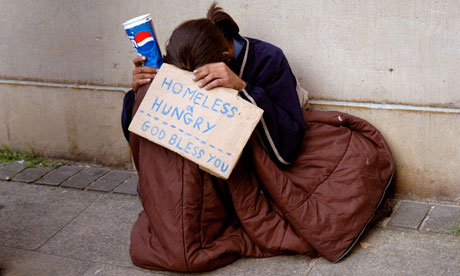
A homeless person begging

The Talmud tells the amazing story of Mar Ukva who would go everyday to the home of a poor man and slip cash into his door post. The poor man really wished to know who was doing this and decided one day to find out. On that day Mar Ukva and his wife made the trip to the poor man’s house together but just as they were opening the door post the poor man came running towards them. The two of them fled because they did not want to embarrass the poor man by him finding out that one of the greatest rabbis of the generation was coming personally to his home everyday to secretly help him. The Talmud says that the only way they could escape him was to jump into a hot oven where the coals had already been raked. Mar Ukva’s feet began to burn and his wife told him to put his feet on top of hers because her’s were not burning. The Talmud explains that her merit of charity was greater than his because, being in the home, she could offer the poor instant care with ready made food while her husband’s care was only in the form of money. What makes the story even more incredible is that the Talmud says that when Mar Ukva was about to die he had a ledger where every coin he ever gave to charity had been recorded. And even though the amount was amazing he said, “the road is long and my supplies are few” referring to his upcoming trip to the Next World. He then gave away fifty percent of all his holdings which was considered ten times what the Talmud normally considered to be exceptionally wealthy. From this story you see an outstanding Torah scholar, a leading rabbi and perhaps one of the wealthiest men of his generation who not only took time and money to personally care for the poor but dreaded the thought of being discovered and honored for his donations. Something for us to all think about next time we pledge donations for honor or we feel particularly holy because we slipped a small coin into a desperate person’s hand. Talmud Kesubos 67b

https://www.facebook.com/thepeoplestalmud/

Rosh HaShana “Seder” and symbolic actions.

Rosh Hashana Seder and Simanim

Esonga Bet Hashoavah services :

Wed Sep 20th              Erev Rosh HaShana

6:50    PM                  Candle Lighting

6:30    PM                  Minha / Arvit

Thu Sep 21st      1st Day of Rosh Hashana

9:00    AM                  Shaharit

11:00  AM~                Shofar

5:00    PM                 Minha

5:30    PM                Tashlich

6:00    PM                  Arvit

7:45    PM                  Candle lighting

Fri Sep 22nd        2nd Day of Rosh Hashana

8:00    AM                  Shaharit

11:00  AM                  Shofar

6:30    PM                 Minha/Arvit

6:46    PM                  Candle lighting

Sep 23rd         Shabbat Shuva

4:00    PM                  Class

5:20    PM                 Minha

6:20    PM                Arvit

7:42    PM                 Havdala

Sun Sep 24th             Fast of Gedalya

6:00    AM                  Fast Begins

7:30    PM                  Fast Ends

Erev Yom Kippurim and Yom Kippurim


Fri Sep 29th   Erev Yom Kippur

6:35    PM                  Candle lighting

6:35    PM                Fast Begins

6:40    PM                  Kol Nidre / Arvit

Shabbat 30th              Yom Kippur

4:00    PM                 Minha

6:00    PM                  Neilah

7:28    PM                 End of Fast Shofar

Blowing/Havdala

7:30    PM                Arvit and Bircat Halevanah

Come and join us in our Prayers services and proclaim Hashem as King.

Rosh HaShana “Seder” and symbolic actions by Rabbi Haim Ovadia

Medjool dates, apple in honey, black-eyed peas, sesame seeds, spinach, squash, and pomegranate seeds may be on our menu this coming Monday, as we sit for the first meal of the Hebrew New Year.

As exciting and wonderful as the Rosh HaShana Seder, as some call it, is, there are some questions and dilemmas surrounding it:

  • What is the exact order of the Simanim (signs)?
  • Do we eat the Simanim before or after the meal?
  • What if some people (read: the children) do not want to eat the spinach?
  • Should vegans, who would not eat the head of a lamb or a fish, eat a head of garlic cloves instead?
  • Which Simanim are included in the list?
  • And most importantly: doesn’t the whole obsession with signs on Rosh HaShana border on paganism or superstitions?


Let us dwell on this last one. Because of the belief that eating sweet things will lead to a sweet year, there are those who avoid eating spicy, sour, bitter, or dark-colored foods. Some foods are excluded from one community’s list, but are mandatory for another (almonds, for example). How can we understand a practice which ties the events of the year with the foods eaten at the beginning of the year? And what if a person is bed-ridden and only had liquids and medicine on Rosh HaShana? Will his year be liquidy? Advily?bed-ridden and only had liquids and medicine on Rosh HaShana? Will his year be liquidy? Advily?

To answer all these questions, and to get a better understanding of the term Siman, which many translate as omen, let us turn to the source of the practice in the Talmud.[1] It appears after several perplexing suggestions for predicting the future. The first experiment informs a person whether he will survive or not until the following Rosh HaShana. In order to discover this terrifying piece of information, one should light a candle in a house where there is not even the slightest draft. If the candle flame is unwavering, he can rest assured, but if it flickers, he’d better call the funeral home.omen, let us turn to the source of the practice in the Talmud.[1] It appears after several perplexing suggestions for predicting the future. The first experiment informs a person whether he will survive or not until the following Rosh HaShana. In order to discover this terrifying piece of information, one should light a candle in a house where there is not even the slightest draft. If the candle flame is unwavering, he can rest assured, but if it flickers, he’d better call the funeral home.

The next one deals with one who wants to start a business and would like to know if he will be successful. He is advised to buy a rooster and feed it. If the rooster becomes fatter, the novice farmer is guaranteed stellar success in his financial endeavors. If, however, the rooster remains slim waisted, our budding entrepreneur should consider visiting the employment agency. There is one more suggestion which the Talmud rejects, and then we hear the following statement from the Talmudic sage Abayye (הוריות, יב:א): Now that you say that Siman has significance, one should try to see on Rosh HaShana squash, black-eyed peas, leeks, spinach, and dates.rooster remains slim waisted, our budding entrepreneur should consider visiting the employment agency. There is one more suggestion which the Talmud rejects, and then we hear the following statement from the Talmudic sage Abayye (הוריות, יב:א): Now that you say that Siman has significance, one should try to see on Rosh HaShana squash, black-eyed peas, leeks, spinach, and dates.

I understand this Talmudic paragraph as a response to the widespread phenomenon of reliance on astrology and incantations in Babylonia. The rabbis wanted to teach people that the most accurate indicator of one’s future is his own behavior. Accordingly, in the first case we deal with someone who wants to know whether or not he will survive the year. He is told to light a candle in a draft-less home and make sure that the flame does not flicker. Oh, but it does. The terrified man scurries from wall to wall, from crevice to crevice, with plaster and a spatula but alas, for every hole he discovers, breeze comes in from ten others. If our man is somewhat wise he will stop after a while, realizing that the experiment was a sign for him. You can never cover all holes and you never know what incredible things will happen this coming year, for good or bad. At that point one starts directing his efforts during the year towards responsibility and awareness, visualizing gaps he must bridge in order to protect his flame, thus (hopefully) prolonging his life.spatula but alas, for every hole he discovers, breeze comes in from ten others. If our man is somewhat wise he will stop after a while, realizing that the experiment was a sign for him. You can never cover all holes and you never know what incredible things will happen this coming year, for good or bad. At that point one starts directing his efforts during the year towards responsibility and awareness, visualizing gaps he must bridge in order to protect his flame, thus (hopefully) prolonging his life.

In the second experiment, one is required to fatten a rooster in order to predict whether he will have success in business. Once he brings the rooster home, he understands that in order to grow it fat he has to pay constant attention. He must protect the bird from diseases and predators, provide food, water and shelter, clean after it, and rise at dawn (or at midnight) with its call. He now also understands how to succeed in business. He must work hard, pay attention to details, and be willing to accept difficulties and small failures before emerging victorious.it fat he has to pay constant attention. He must protect the bird from diseases and predators, provide food, water and shelter, clean after it, and rise at dawn (or at midnight) with its call. He now also understands how to succeed in business. He must work hard, pay attention to details, and be willing to accept difficulties and small failures before emerging victorious.

In reaction to these two very practical thought experiments, Abayye says that now we know that associating our aspirations and hopes with a visual image or object is a helpful technique. He therefore says that one should see on Rosh HaShana certain species, so the image will help him focus his thoughts during prayers. In other words, it is not seeing or eating the honeyed apple or the dates which guarantees a sweet year, but the constant image of these fruits which drives a person in the prayers and throughout the year. It is very similar to soldiers carrying the pictures of their loved ones in a locket so they will be inspired to survive at all costs.

Conclusion:

The practice of Simanim should be translated not as omens but rather as suggestive visual meditation. In the original phrasing of the practice the idea was to see, not eat, the fruits. One can therefore choose to eat or not eat any of the Simanim. The order is insignificant but it is best for all participants to follow one version to avoid conflicts. It is also a good idea to add some foods which could be easily associated with the spoken language, since the Simanim have meaning only in Hebrew.omens but rather as suggestive visual meditation. In the original phrasing of the practice the idea was to see, not eat, the fruits. One can therefore choose to eat or not eat any of the Simanim. The order is insignificant but it is best for all participants to follow one version to avoid conflicts. It is also a good idea to add some foods which could be easily associated with the spoken language, since the Simanim have meaning only in Hebrew.

If you are not eating meat you could have some candies (actually, even if you eat meat you could just look at the wrappers) which could have positive associations for English speakers such as: 5th Avenue, Skor, PayDay, Life Savers. Top it off with a Brach’s candy (for Bracha), and most importantly, make sure that everyone feels happy, relaxed, and welcomed at this Rosh HaShana Seder.PayDay, Life Savers. Top it off with a Brach’s candy (for Bracha), and most importantly, make sure that everyone feels happy, relaxed, and welcomed at this Rosh HaShana Seder.

Festive Meal
  • The festive meal of Rosh HaShana is mentioned in the book of Nehemiah (8:10). As on Shabbat and other holidays, it is what you consider to be festive. It could be fish, dairy, or vegetarian
Shofar
  • The minimal number of sounds one must hear, according to Shulhan Arukh, is nine (or ten, depends how you count Shevarim and Teruah). The set is the basic one, TSRT, TST, TRT, or: Teqiah-Shevarim-Teruah-Teqiah, Teqiah-Shevarim-Teqiah, Teqiah-Teruah-Teqiah.
  • There is therefore no need to feel stressed if one or more of the sounds of the shofar was missed, or if it sounded unclear. Also, if one is visiting bedridden people, or mothers with babies who could not make it to the synagogue, and has several visits to make, it suffices to use this set.shofar was missed, or if it sounded unclear. Also, if one is visiting bedridden people, or mothers with babies who could not make it to the synagogue, and has several visits to make, it suffices to use this set.
  • When blowing shofar for someone who did not hear shofar yet, the blessings can be recited by either the shofar-blower or the listener, whether man or woman.shofar for someone who did not hear shofar yet, the blessings can be recited by either the shofar-blower or the listener, whether man or woman.
  • It is better to recite less prayers, but have time to reflect on them and take them to heart, then keeping at pace with the community. It is told about R. Avraham Yitzhak HaCohen Kook that on Rosh HaShana and Yom Kippur he would only recite the Shema and the Amidah. We are uplifted and inspired by the familiar tunes and the communal singing, and we should also take time to study the prayers and find those which most resonate with us.have time to reflect on them and take them to heart, then keeping at pace with the community. It is told about R. Avraham Yitzhak HaCohen Kook that on Rosh HaShana and Yom Kippur he would only recite the Shema and the Amidah. We are uplifted and inspired by the familiar tunes and the communal singing, and we should also take time to study the prayers and find those which most resonate with us.


Dangers in the synagogue
  • We must pay special attention to potential dangers in the synagogue, such as security, health concerns, and hurting others’ feelings.
  • Synagogue’s administration should take the necessary steps to provide security during the holidays, and to prepare congregants to respond in case of a terror attack.
  • There should be medical kits available and first responders appointed.
  • In case of an emergency in the synagogue or at home, do not hesitate to call 911 immediately.
  • We should pay attention to those around us, especially the elderly, to make sure they are feeling well. This is especially important on Yom Kippur. It is better to prevent an emergency then attend to someone who has fainted, for example.then attend to someone who has fainted, for example.
  • It is also very important to make sure that no one is offended, and that fights do not break over seats, honors, or practices.fights do not break over seats, honors, or practices.


Tashlikh
  • Another famous and beloved symbolic act of Rosh Hashana is Tashlikh, in which people go to a river or to any water source to shake their sins away. This is a relatively late custom, first mentioned by Polish rabbis of the 16th century. The original custom was to stop by the river (probably the Wisla or Vistula), and recite the verse: ותשליך במצולות ים כל חטאתם- Please cast our sins into the abyss. With time, the practice expanded to more verses, personal prayers, readings from the Zohar, shaking the corners of one’s clothes, requiring fish in the water, and bringing breadcrumbs to feed the fish.breadcrumbs to feed the fish.
  • We can each follow our customs regarding Tashlikh, but we should keep in mind that it is a symbolic act, meant to prompt us to take the necessary steps to change our life, through repentance, reflection, and asking for forgiveness.


Electricity on Yom Tov
  • There is no prohibition in sing electricity on Yom Tov. To the contrary, one who does not use electricity at all, despite the solid arguments in its favor and the long tradition among most Sephardic communities, might be at fault for diminishing the joy of the holiday.sing electricity on Yom Tov. To the contrary, one who does not use electricity at all, despite the solid arguments in its favor and the long tradition among most Sephardic communities, might be at fault for diminishing the joy of the holiday.

Shana Tova uMetukauMetuka

Rabbi Haim Ovadia


House of The Water Pouring